Immaculate design is underpinning the revival of statement rooms that spark curiosity and human connection, discovers Elizabeth Fazzare.
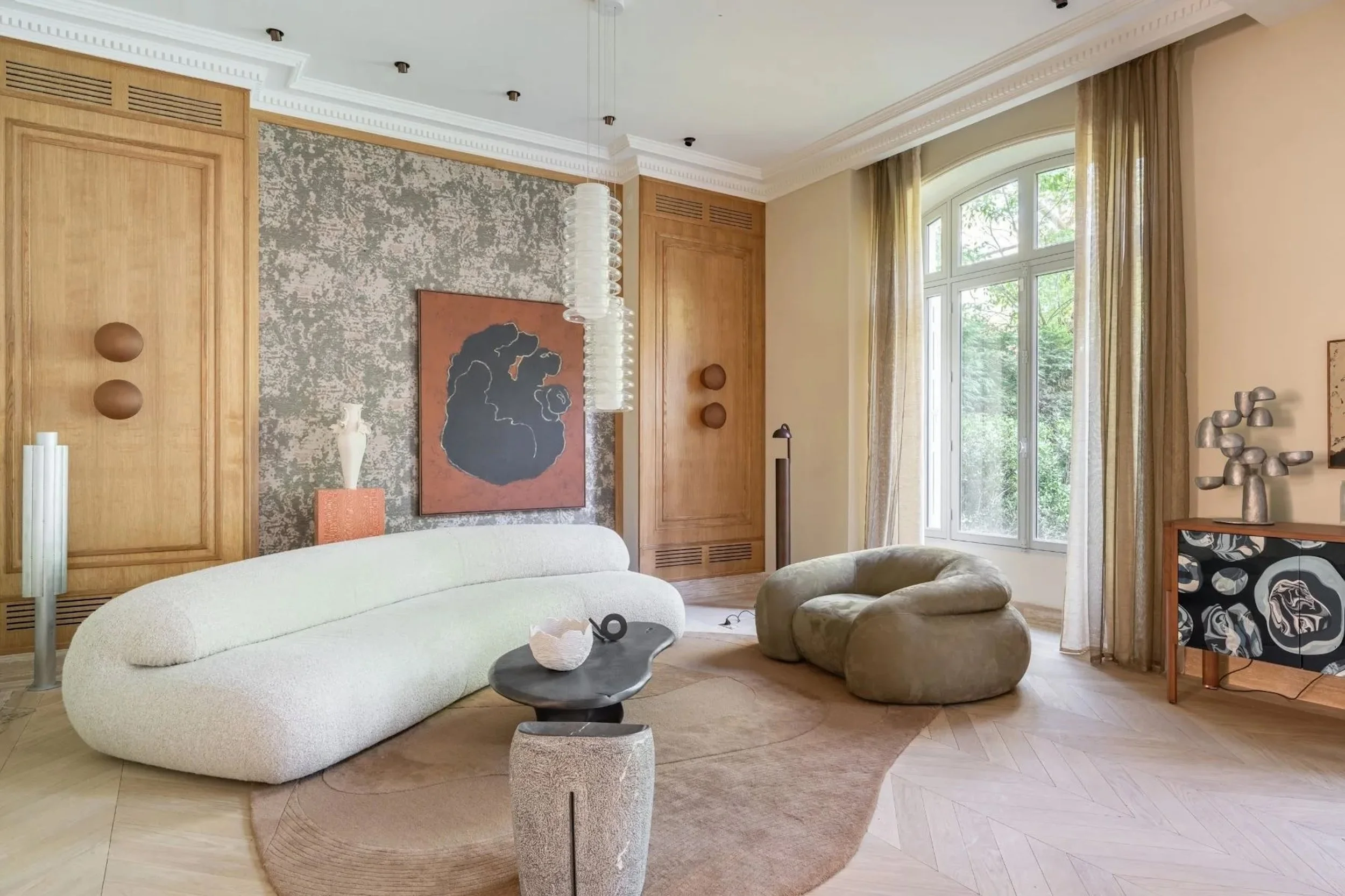
We often associate a digital detox or screen-free sojourn with getting out into nature. But as the desire to unplug increases for many, attention has turned to luxury homes with interior spaces dedicated to company and conversation, offering intellectual and cultural sustenance, without online distraction.
Rooted in the European art and literary traditions which reached their zenith in the 18th century, the contemporary salon is a room in which to meet, discuss and debate, as much as to read, relax or listen to music. Devoid of televisions and other tech, they instead display books, artworks, and personal collections.
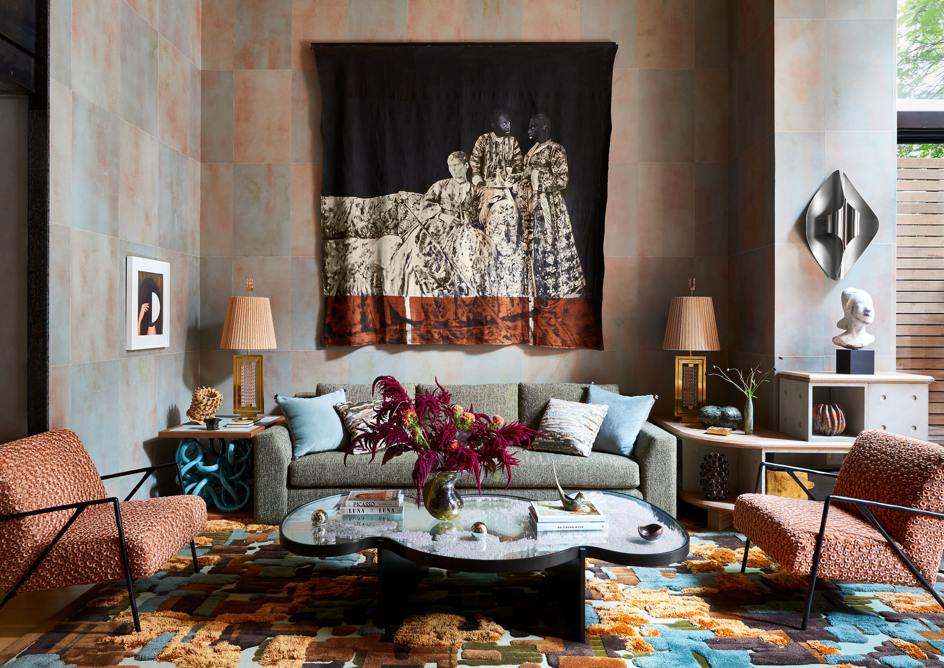
“A salon should be people-facing rather than screen-facing. That is perhaps its biggest distinction from the conventional contemporary living room,” explains designer Kelly Zerbini, principal designer and partner at Dunnam Zerbini Design in New York, who recently designed a salon-style living room in a Greenwich Village townhouse.
“Instead of organizing everything around one dominant focal point, the floor plan should encourage conversation, movement, and discovery,” she says. With its impeccable design and art collection, the salon of a 19th-century Paris home does just that.
In pursuit of the same goal, Zerbini’s salons feature multiple seating areas, artworks large and small (to both capture attention from across the room and encourage closer appreciation), and “verticality.” The latter can be achieved using floor-to-ceiling shelving, art walls, objets d’art, and “layers of things that have meaning to the people who live there,” she says. “The goal is to create a room that gives people permission to wander, look, sit, move, and engage with one another.”
In her Greenwich Village design, a history-scale artwork by Roméo Mivekannin hangs over one seating area, where the sofa is flanked by storage that displays smaller art and treasures.