Resilient Cities
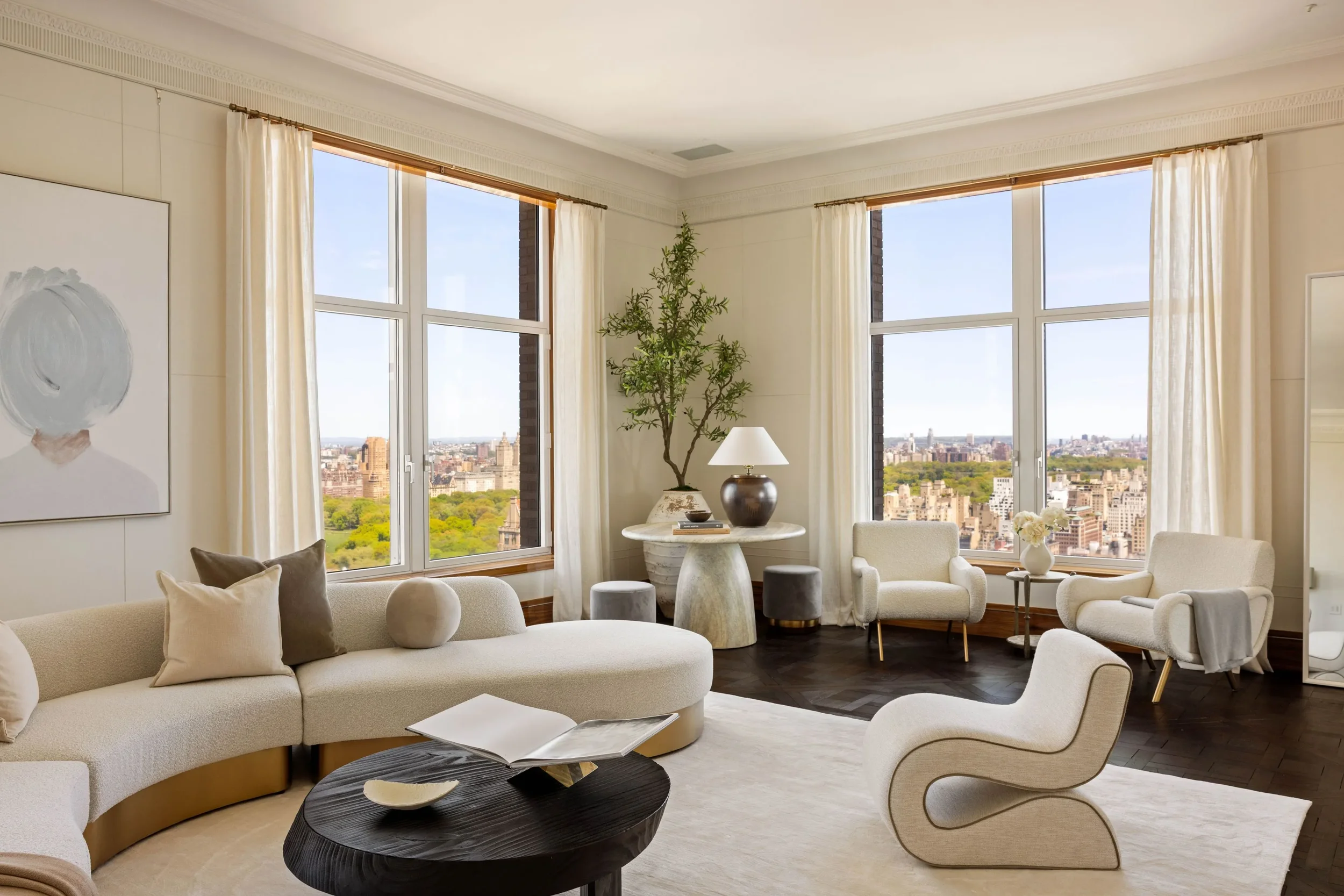
Studio Yale Wagner, Sotheby’s International Realty - East Side Manhattan Brokerage
More than 4 billion people—45% of the world’s population—now live in cities, according to a report released by the United Nations in November 2025, and this number is expected to continue to rise into 2050.1 So is the wealth cities generate. Just 1,000 cities produce nearly 60% of global GDP, according to Oxford Economics’ 2025 Global Cities Index, released in May 2025.2 For real estate buyers, that concentration of capital and talent is what makes urban property uniquely resilient. But not all cities are built the same.
The consultancy firm Kearney’s Global Cities Resilience Index, released in October 2025, pinpoints what separates the property markets that recover and appreciate from those that don’t: effective institutional governance, sustainable finance and business environments, technological innovation, social capital and integration into global networks.3
Here is what that resilience looks like across cities where homebuyers continue to return, what each of their real estate markets offers right now, and the elements that make these urban centers in particular display serious staying power, despite various hurdles.
Los Angeles, California
Natural beauty and warm weather are two of the biggest attractions of living in Los Angeles, according to Ernie Carswell, senior global real estate advisor, Sotheby’s International Realty - Beverly Hills Brokerage.
“We just have it so good out here,” he says. “We’re constantly saying how blessed we are with the weather or with the beauty of the backdrop, the mountains down to the ocean. It’s something that we love and we don’t want to let go of.”
Not everyone agrees, Carswell concedes, as there have been some departures of high-net-worth individuals from California for no-income-tax states like Texas and Florida. Still, home prices remain “well above the levels in 2019, in spite of the cooling off we’ve had since 2024,” he says.
This has been due to two upheavals in the local property market, Carswell notes. The first involved the addition of the so-called mansion tax, or the United to House LA Act, which took effect in April 2023. It adds a 4% levy for properties priced at US$5.3 million and up and a 5.5% surcharge for properties conveyed at US$10.6 million or more, according to the city’s Office of Finance.8 “It doubled the cost of selling a home if you own a luxury property,” he explains.
Then the city was devastated by major fires in January 2025. Around 17,000 homes in the Altadena and Pacific Palisades neighborhoods were destroyed, according to a January 2026 report by Columbia University’s Climate School.9 The recovery has been faster in the more affluent Pacific Palisades area, while Altadena is still reeling and recovery has been slow, Carswell says.
In addition, fires over the last decade have also increased insurance costs in the most susceptible areas. The owner of a four-bedroom home in Brentwood, which neighbors Pacific Palisades, could now pay US$120,000 a year in insurance, up from around US$20,000 a decade ago. Brentwood has also seen house prices jump more than 50% in the past year as many displaced families look to stay local, he notes.