TICs: A Different Path to Homeownership in Los Angeles
I recently had a client buy a 3-bedroom in Culver City for $669,000.
How?
Tenancy in Common, or TIC.
TICs are one of those ownership structures that a lot of people have heard about but may not fully understand. And in a market like Los Angeles, I think they’re worth knowing about—not just for buyers, but for sellers, developers, and multifamily owners, too.
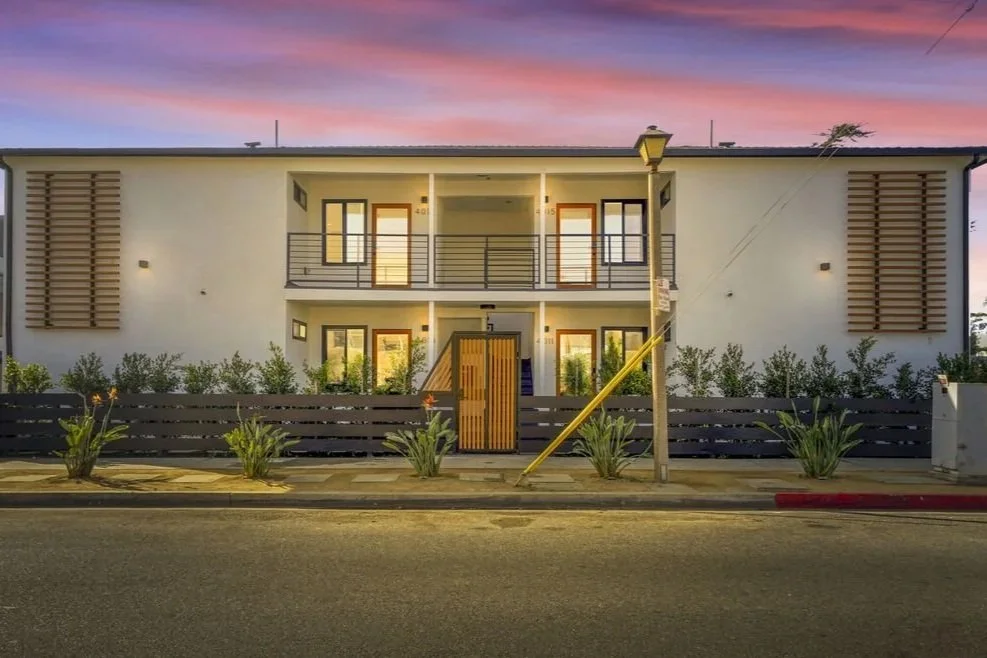
A $669,000 Culver City TIC
I helped my clients purchase this 3-bedroom home in Culver City for $669,000 through a Tenancy in Common (TIC) ownership structure.
So, What Exactly Is a TIC?
TIC stands for Tenancy in Common.
In a TIC, multiple people own interests in the same property. Depending on how the ownership is structured, each owner can have the exclusive right to occupy a particular unit within the property.
A simple way to think about it is:
Shared ownership, individual living spaces.
It can look and feel much more like owning your own home than the phrase "shared ownership" might initially suggest.
And a TIC is different from simply having multiple people on title together.
TIC vs. Joint Tenancy
One of the important distinctions is right of survivorship.
With joint tenancy, when one owner dies, their interest generally passes automatically to the surviving joint tenant or tenants.
With a TIC, there is no automatic right of survivorship. An owner's interest can instead pass according to their estate plan, to heirs, or to beneficiaries.
And TIC ownership doesn't necessarily mean you're buying with a family member. Depending on the property and structure, your co-owners could be a brother, a friend, a business partner—or someone you didn't previously know.
That's one reason it's important to understand exactly how the TIC agreement and ownership structure work before purchasing.
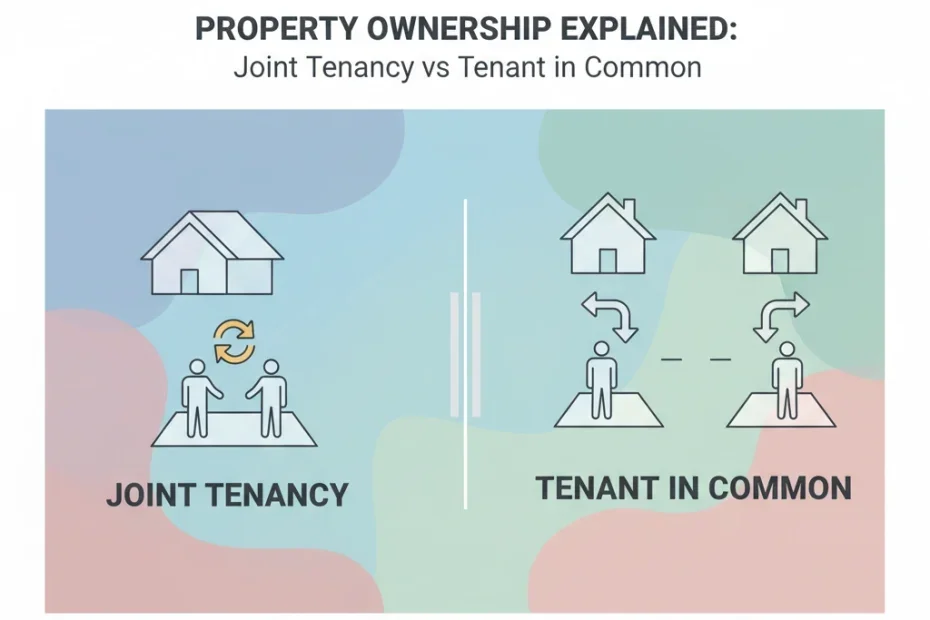
Important Distinction Between Joint Tenancy and Tenancy in Common
Why Would Someone Buy a TIC?
For buyers, the biggest attraction can be price and location.
Los Angeles is an expensive housing market. And unlike some other major cities, there aren't nearly as many condominium options in certain neighborhoods.
Not everyone wants—or can afford—a $2 million-plus single-family home.
A TIC can potentially provide another path to ownership in neighborhoods such as:
Santa Monica
Culver City and the Westside
Silver Lake
Other high-demand Los Angeles neighborhoods
Instead of buying a traditional house or moving farther out to places like Santa Clarita or Valencia, a buyer may be able to own a home in a location that otherwise wouldn't be within their budget.
And there's another piece I find interesting:
Many TIC buyers are owner-occupants.
They're not necessarily looking to become landlords or buy an investment property. They simply want to own a place they can call home.

A Different Path to Homeownership
The Catch: Financing
TICs aren't exactly the same as buying a conventional condominium, and financing can be more complicated.
Fewer lenders offer TIC financing, and the lending process can depend heavily on the specific property and TIC structure.
That's why it's important to work with professionals who actually understand this type of transaction.
One lender I've gotten to know in this space is Jeremy Morgan at National Cooperative Bank (NCB), which has experience with TIC lending.
The financing piece is something buyers should investigate early—not after they've already fallen in love with the property.

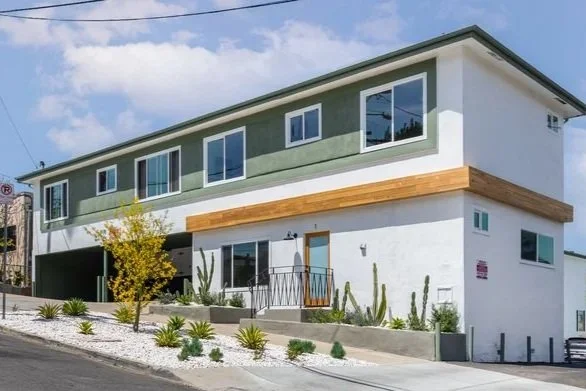
TIC Home Purchase
I helped clients navigate the purchase of this property through a Tenancy in Common ownership structure.
But Here's Where TICs Get Really Interesting: The Seller Side
I think the seller and developer side of TICs is particularly interesting.
Imagine you own an apartment building.
Traditionally, you might sell the entire property to one investor. That means finding one buyer with the capital and desire to purchase the entire building.
But what if there were another way to structure the ownership?
Depending on the property, local regulations, legal structure, and financing considerations, an owner may be able to explore creating a TIC structure and selling individual ownership interests rather than selling the entire building to one buyer.
That potentially opens the door to a very different pool of purchasers.
Instead of needing one buyer with millions of dollars to acquire the entire property, you may have individual buyers purchasing individual interests.
That's a fundamentally different sales strategy.
What About Developers and Flippers?
The concept can also be interesting for developers and investors.
A developer could potentially acquire a multifamily property, create a TIC structure, improve the property, and ultimately sell the individual TIC interests.
That's a different exit strategy than selling the entire building as a multifamily investment.
And because you're potentially selling to individual owner-occupants rather than only to investors looking to acquire an entire building, the economics and buyer pool can look very different.
Of course, this isn't something you can simply decide to do with any apartment building. There are legal, zoning, financing, title, tenant, and regulatory considerations that need to be evaluated on a property-by-property basis.
But it's a strategy worth knowing exists.
The San Francisco Connection
TICs became particularly well known in San Francisco, where extremely high real estate prices created a strong demand for alternative ownership structures.
The basic idea is pretty straightforward:
Multiple people share ownership of a property, while each person has their own living space.
That model became an important part of the San Francisco real estate landscape, and it's one reason TIC financing has developed into such a specialized area.
My conversations with Jeremy Morgan at NCB have also given me a better understanding of how established the TIC lending space can be and why having the right financing resources matters.

In high-cost cities like Los Angeles and San Francisco, a TIC can provide another path to owning a home in neighborhoods where traditional homeownership may otherwise be out of reach.
A Different Way to Think About Ownership
The bigger takeaway is that real estate ownership doesn't always have to fit into the traditional categories of:
Single-family home.
Condo.
Apartment building.
There are other structures.
For buyers, a TIC may provide an opportunity to own in a neighborhood that might otherwise be financially out of reach.
For sellers and multifamily owners, a TIC strategy may create another potential way to think about value and disposition.
And for developers, it can represent a different potential exit strategy.
It's not for everyone. The ownership structure, financing, legal documents, and economics all need to make sense.
But if you own a multifamily property—or you're thinking about buying one—it's worth understanding whether a TIC strategy could potentially work for you.
Sometimes the opportunity isn't just in the property itself. It's in how you structure the ownership.