BRRRR Strategy? How I Used It To Buy A Duplex With No Cash On Hand
Ten years ago, when I first got into real estate investing, there was a tried-and-true strategy called BRRRR. Coined by the team behind the BiggerPockets Podcast, it is designed for value-add, income-producing properties.
In 2016, after buying and renovating my first house, I used the strategy to purchase a fourplex. As interest rates stayed low through the COVID era, I repeated the process several more times.
In this post, I want to explain what the BRRRR strategy is, how it works, and how you can apply it to become a repeat real estate buyer yourself.
BRRRR stands for Buy, Rehab, Rent, Refinance, Repeat. The idea is simple: the improvements you make after closing create immediate appreciation and increased equity. Then, you use that equity to buy another property.
That model broke down when interest rates shot up in 2022. New refinance payments at much higher rates often could not be covered by rents. But now, with rates stabilized, I’m back in the middle of an extended BRRRR deal. Let me walk you through it step by step so you can see exactly how the strategy works.
Buy: Finding the Right Value-Add Property
The first “B” in BRRRR stands for Buy. It is the obvious first step, but also one of the most important.
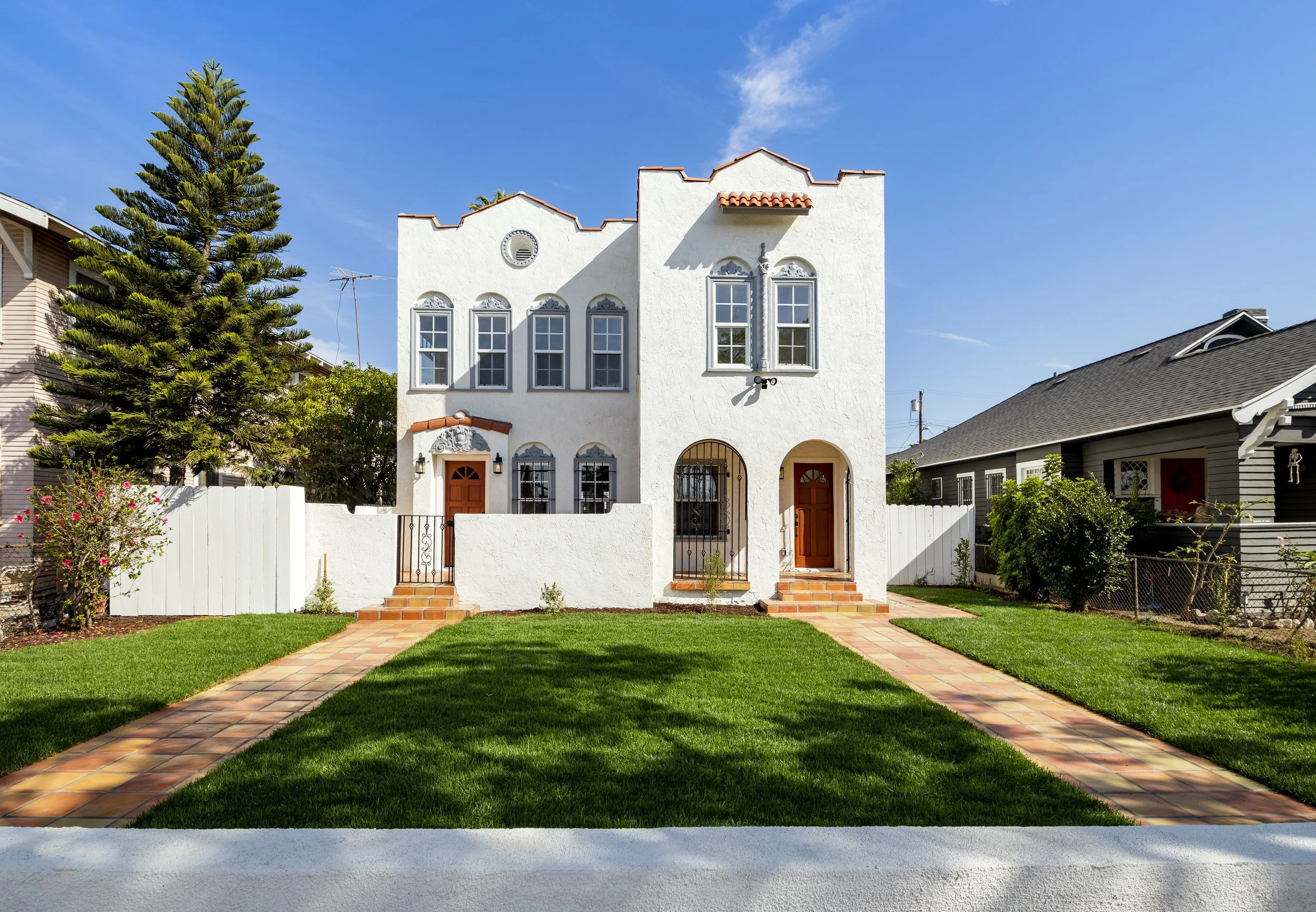
Back in 2022, I partnered with my friend Michael to purchase a two-level duplex in West Adams. The property had stacked 2-bed, 1-bath units, each about 1,100 square feet. It had plenty of charm, but it was definitely what you would call a diamond in the rough.
The previous buyer had backed out of escrow when rates spiked, but they had already arranged cash-for-keys agreements with the existing tenants. We were happy to honor those agreements.
Our plan was straightforward: improve the property enough so that the new rents would cover the higher mortgage payments. That brings me to the first of the four R’s: Rehab.
Rehab: Creating Value Through Renovation
With both units vacant, we hired a crew and began a full top-to-bottom renovation.
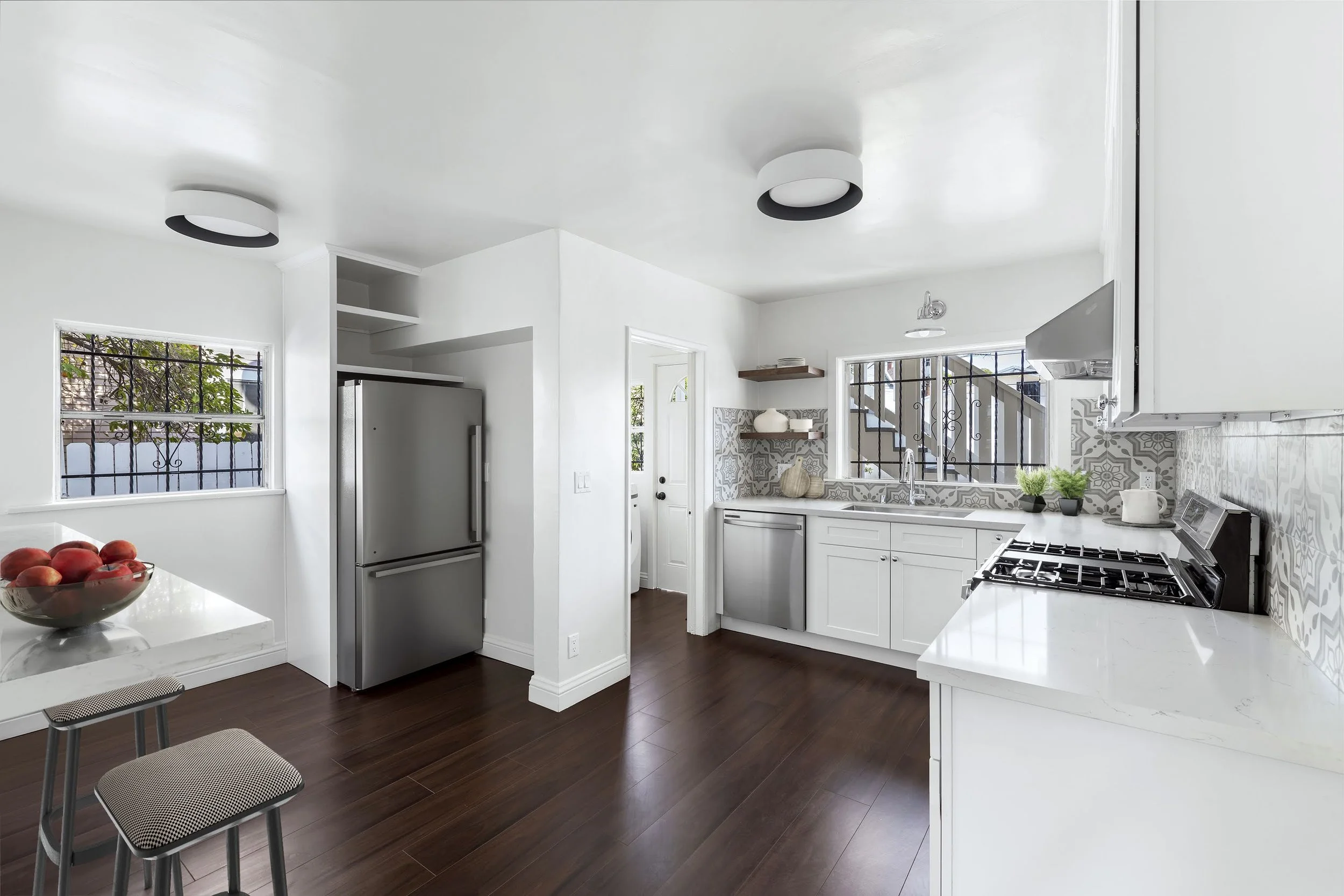
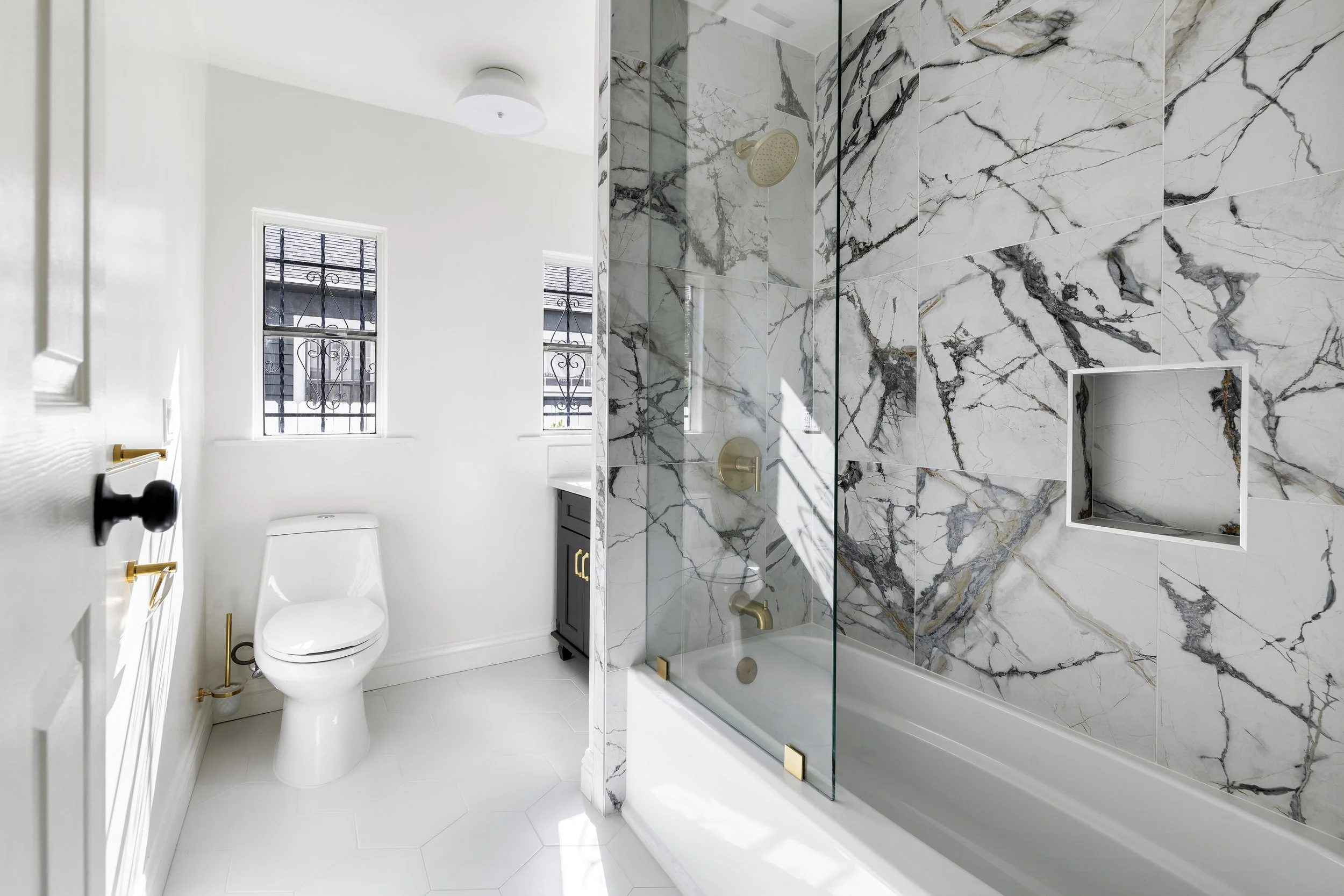
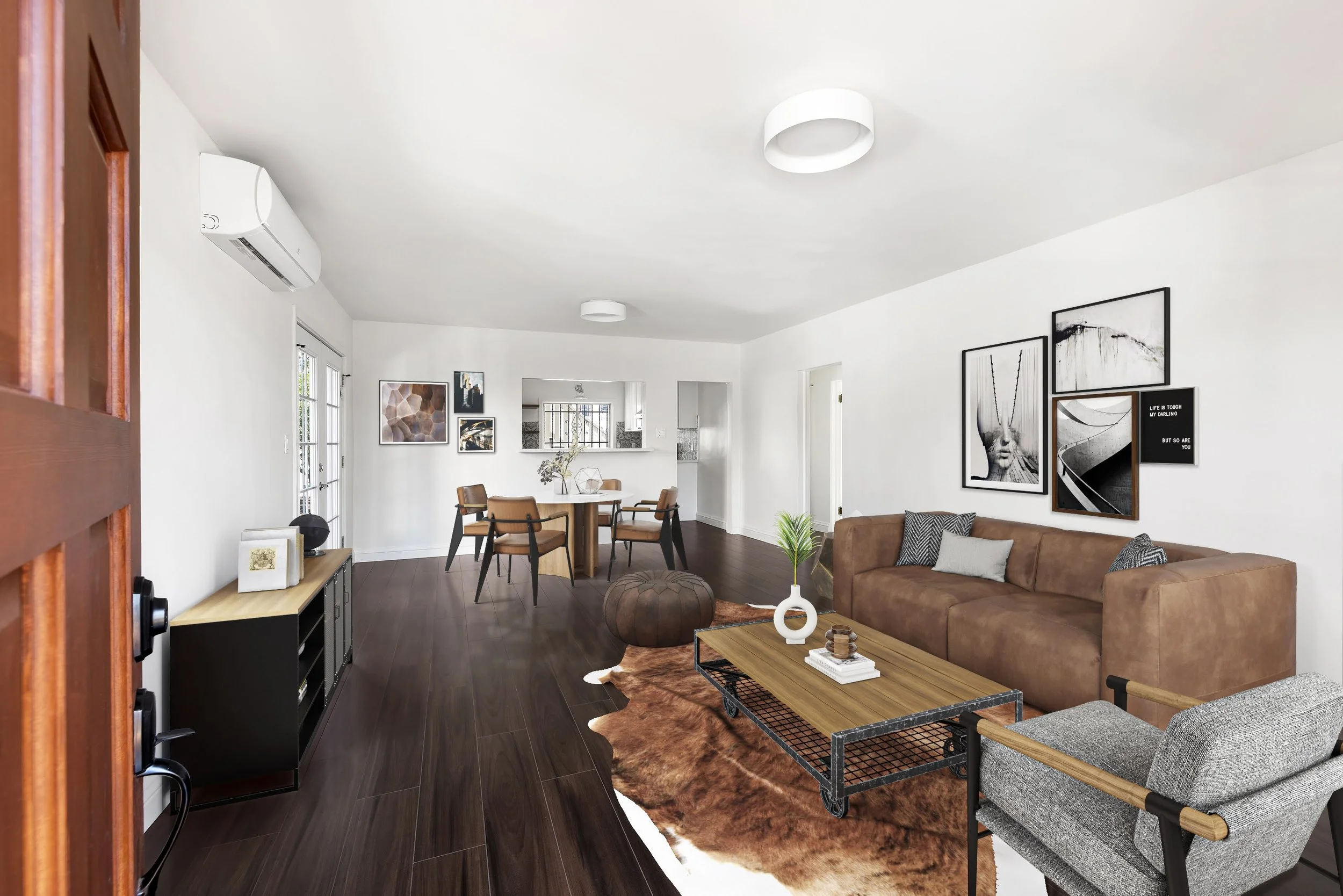
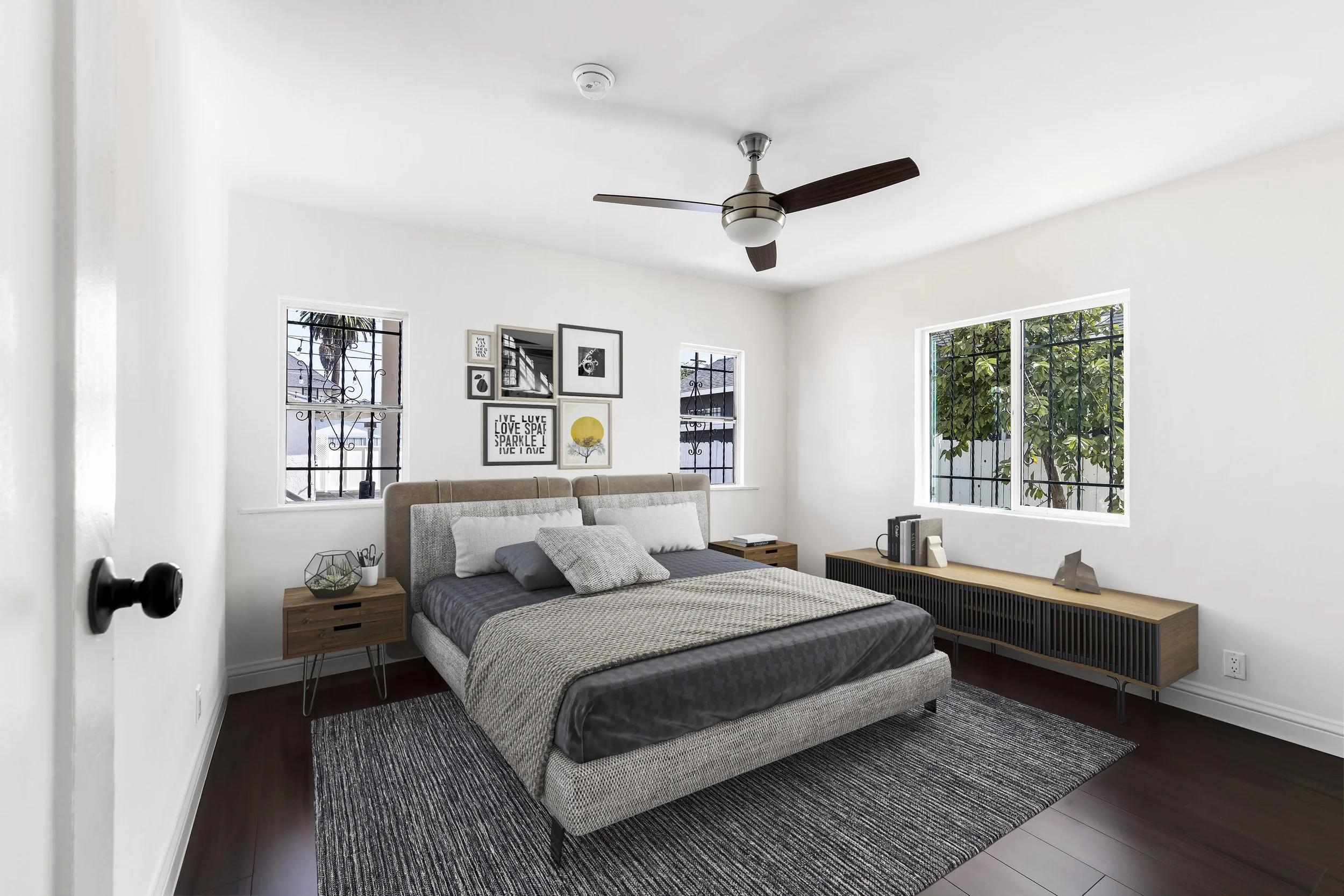
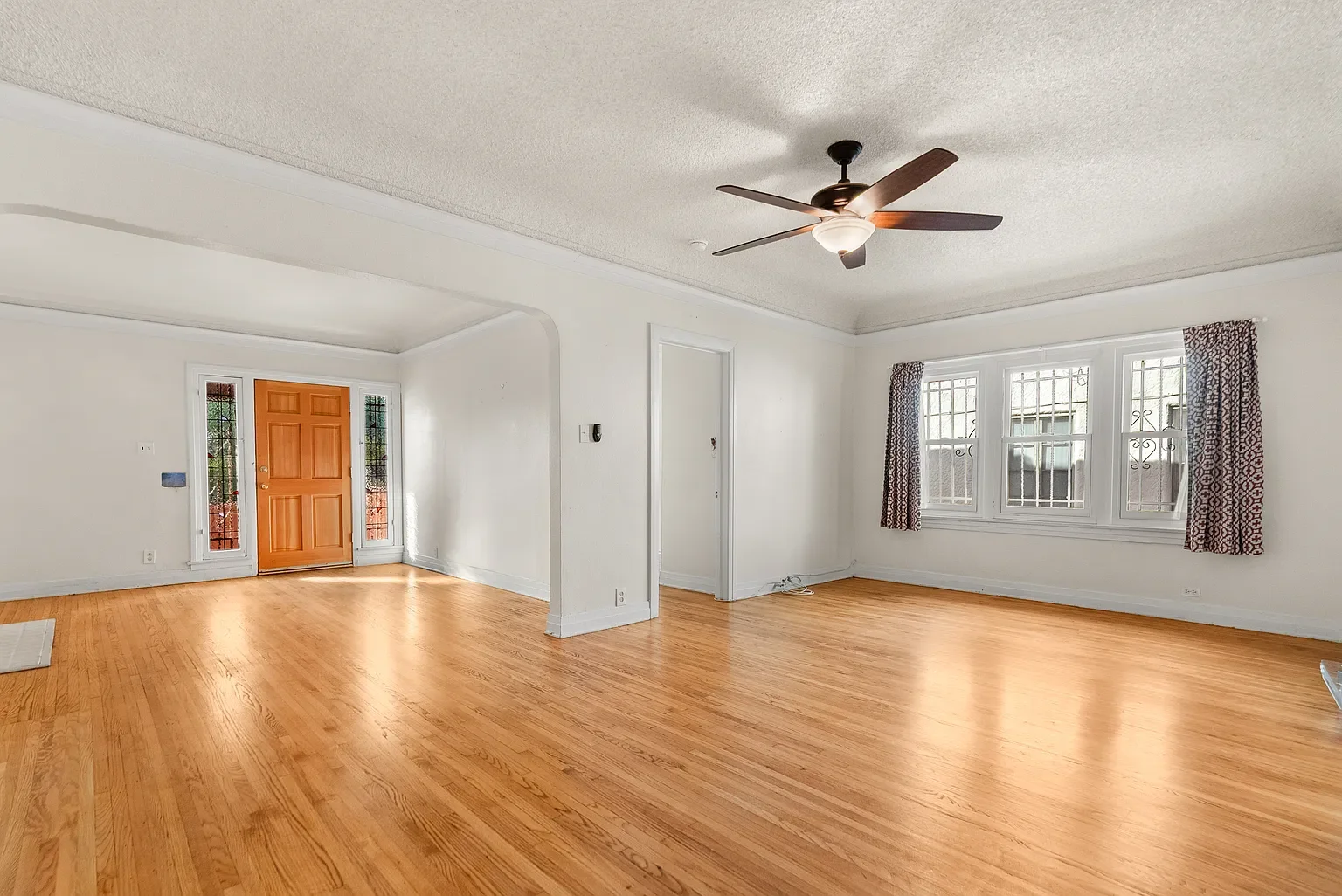
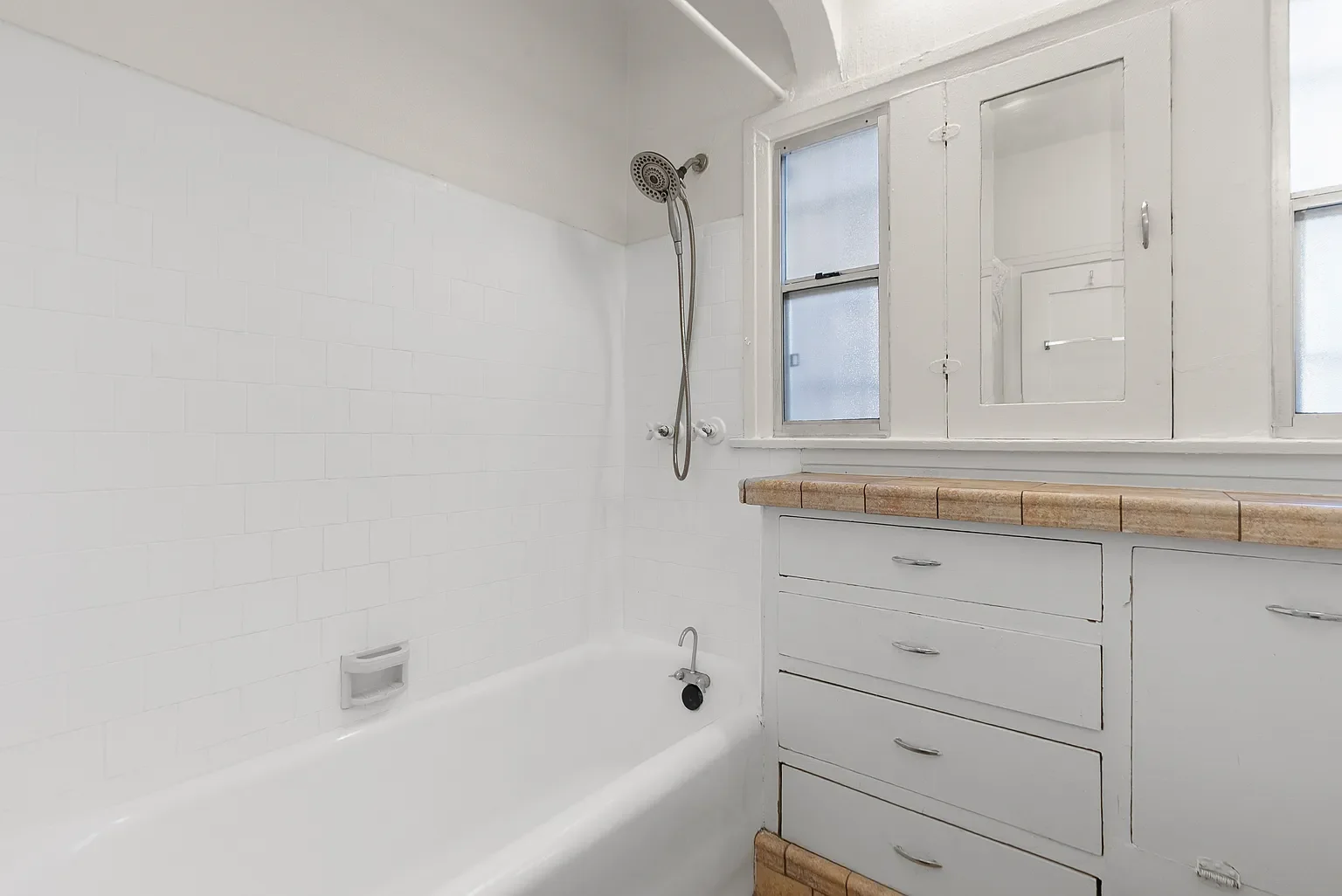
We ripped out all the tile, replaced every surface and fixture, refinished the wood floors, and installed new cabinets. We also invested heavily in the exterior—about $50,000—which dramatically improved the curb appeal.
The project went over budget and ended up costing about $300,000, but the final result looked fantastic. Given our purchase price of $875,000, we believed the post-rehab value more than justified the investment.
Michael and I were so happy with how it turned out that we celebrated by throwing a big Halloween party with about 100 friends in costume, complete with a DJ and kegs. Afterward, we cleaned everything up, and then the next step began.
Rent: Turning the Property Into Cash Flow
Now we were onto the second R: Rent.
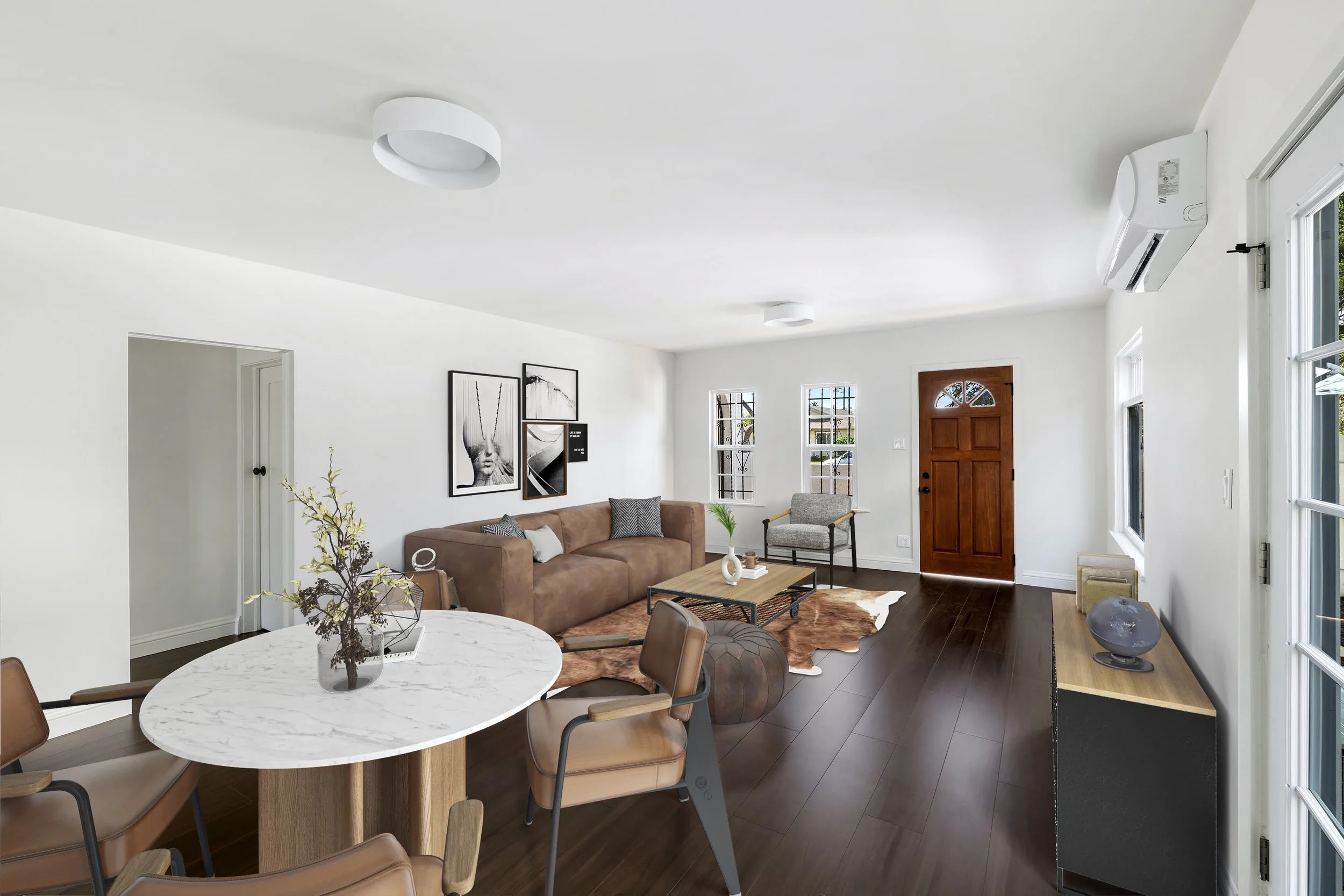
After the renovation, we had added about $100,000 in equity, but more importantly, we now had two highly attractive rental units. In November, after cleaning up from the party, we started showing them.
In that high-interest-rate environment, our goal was simple: if the property could cash flow even a few hundred dollars a month, we would be happy.
After several showings, we found two strong tenants—both sole female occupants—who each agreed to pay about $3,350 per month. They both moved in by mid-December.
Even with a 6.25% interest rate, the numbers worked better than expected. Not only did the rent cover the new costs, but the property ended up netting about $1,600 per month.
At that point, I was happy. Starting in January 2023, we had two great tenants, positive cash flow, and a property that was basically on autopilot. Honestly, that was all we had in mind at the time.
Refinance: Pulling Out Equity Without Selling
Then, three years later, at the start of this year, I asked Michael how much cash he might have available to help purchase a larger building I was considering. He suggested tapping into the equity in our duplex.
That made me realize we could turn this into a true BRRRR deal—something I had not even been thinking about, but suddenly saw could work.
We checked what the payments would look like on a new loan if we pulled cash out, and as it turned out, the rental income would still cover it. That brings me to the next R: Refinance.
With a cash-out refinance, you typically pay a slightly higher interest rate in exchange for pulling equity out in the form of cash. Most residential loans allow you to borrow up to 75% of the property’s appraised value.
For Michael and me, that meant we could potentially pull out around $300,000.
At that stage, the most important factor was getting a strong appraisal so we could access as much of that equity as possible. Fortunately, the appraisal came back right where we needed it.
With the original duplex fully renovated and rented, we refinanced, pulled out the equity, and moved on to the final—and my favorite—part of the BRRRR strategy.
Repeat: Using Equity to Buy the Next Deal
The final R is Repeat.
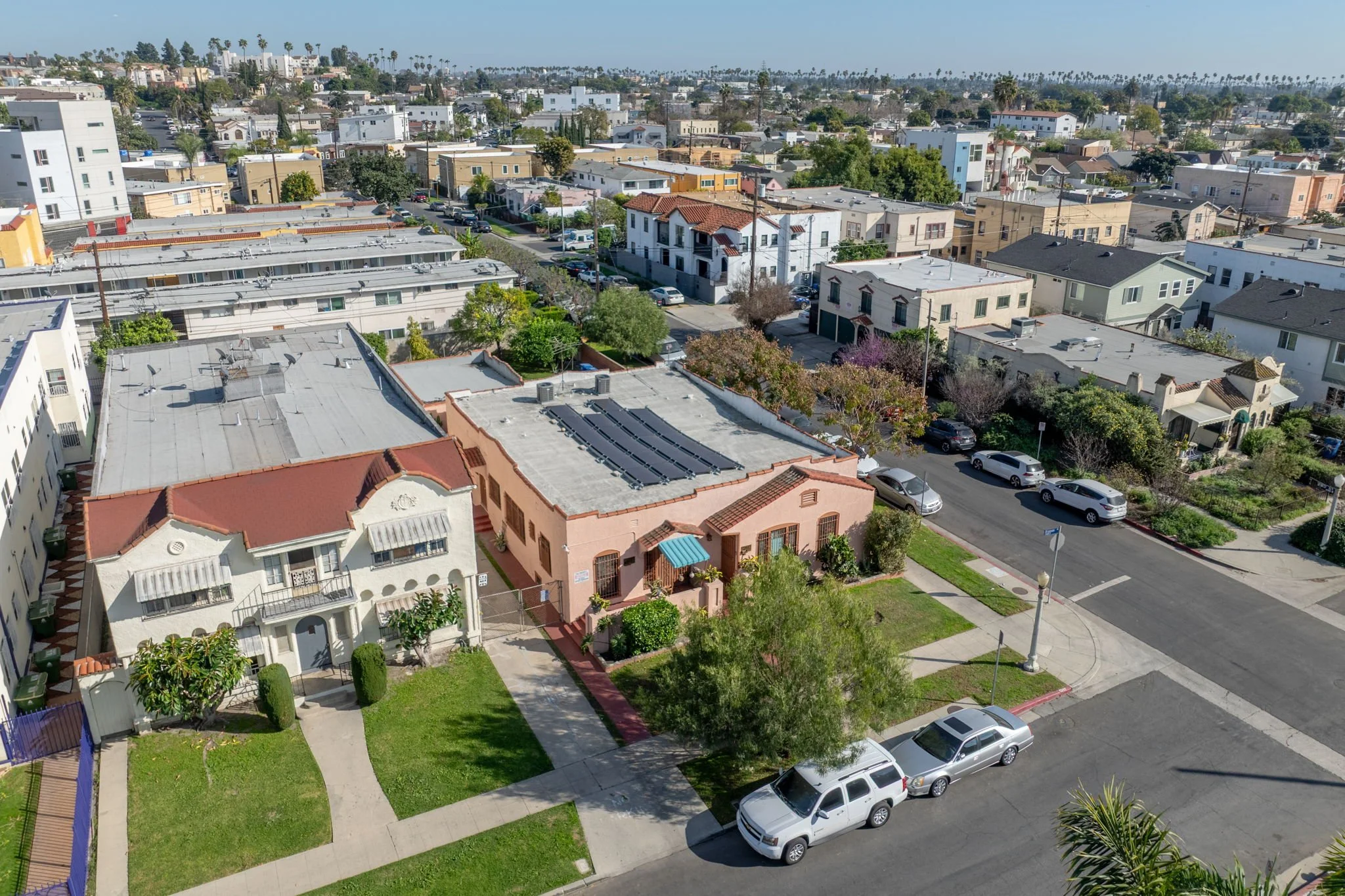
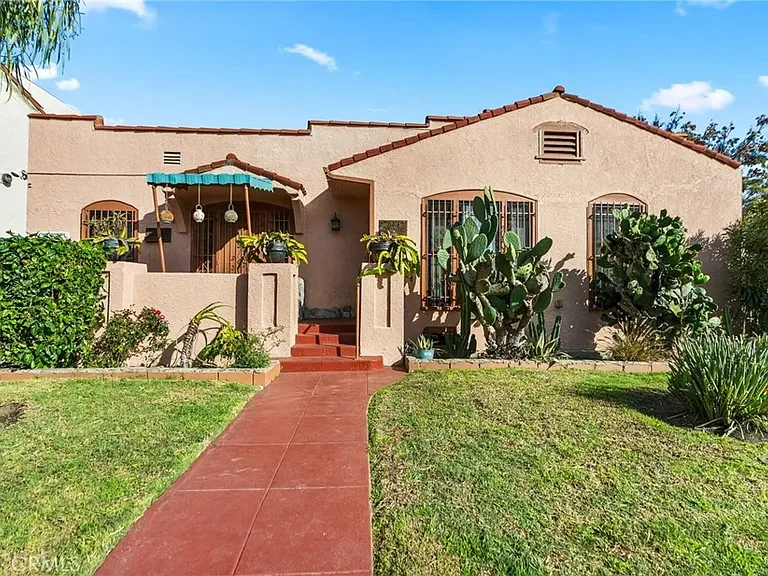
We decided to go after something very similar to our first duplex. Again in West Adams, we found a property where one unit was coming vacant and the other was already bringing in solid rent of about $3,200 per month.
The real upside, though, was the lot size. Our plan was to add two ADUs, and an architect pointed out that the corner lot would make that much easier to accomplish.
The process was not easy. We struggled to close the loan and ran into multiple hurdles and setbacks along the way. But we got it done.
We closed the refinance, closed the purchase in April 2026, and I can now officially say: this was a successful BRRRR.
Final Thoughts on the BRRRR Strategy
The BRRRR strategy is one of the most powerful ways to scale a real estate portfolio because it allows you to recycle capital instead of constantly coming up with new cash for each deal.
It does not work in every market or every interest-rate environment, and the numbers have to make sense. But when you buy the right property, execute a smart renovation, secure strong rents, and refinance at the right time, BRRRR can still be an incredibly effective path to long-term wealth.
For me, this duplex proved that even in a tougher market, the BRRRR strategy is still alive—you just have to be more disciplined, more creative, and more patient.